
Addiction among healthcare professionals is a growing concern, driven by demanding work environments. Specialized doctor addiction treatment and nurse addiction programs are crucial due to unique challenges, including career risks and ethical dilemmas. Confidential rehab centers offer safe spaces with medical expertise, while integrative therapies provide holistic recovery options. Post-rehabilitation support ensures long-term recovery and career reinstatement for doctors through tailored aftercare programs.
"In the high-pressure world of healthcare, the risk of professional burnout and substance abuse is a growing concern. Many medical workers struggle with addiction in silence due to fear of stigma or career repercussions. This article delves into the unique challenges faced by healthcare professionals seeking confidential doctor addiction treatment.
We explore the prevalence of addiction among medical staff, emphasize the importance of discretion, and provide insights on specialized rehab programs tailored for doctors. Additionally, we discuss integrative therapies and aftercare strategies to support long-term recovery in this vulnerable population."
- Understanding the Prevalence of Healthcare Professional Addiction
- The Unique Challenges of Treating Medical Workers in Secret
- Creating Safe Spaces: Confidential Rehab Options for Doctors
- Integrative Therapies for Overcoming Substance Abuse Silently
- Supporting Long-Term Recovery: Aftercare for Medical Professionals
Understanding the Prevalence of Healthcare Professional Addiction
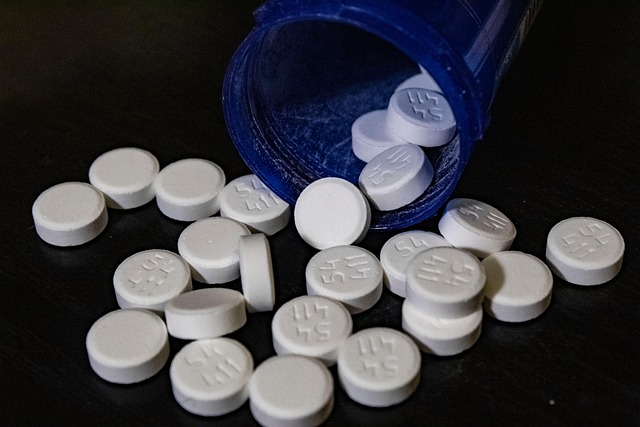
Addiction among healthcare professionals, while often overlooked, is a significant concern within the medical community. Despite their high level of training and dedication to helping others, doctors and nurses are not immune to substance abuse issues. The stressful work environment, long hours, emotional toll, and exposure to traumatic events can contribute to the development of addiction in these individuals. Many healthcare workers may struggle in silence due to fear of stigma, career repercussions, or loss of their medical license.
The prevalence of doctor addiction treatment requests has been steadily rising, highlighting a growing need for specialized support. Similarly, nurse addiction treatment programs are also in demand as the nursing profession, with its demanding nature, leaves many vulnerable. Ensuring healthcare worker recovery is not just about treating the addiction but also about providing resources for medical license protection and fostering an environment that encourages open dialogue about mental health challenges.
The Unique Challenges of Treating Medical Workers in Secret

Treating healthcare professionals and medical workers for addiction presents unique challenges due to their specialized role and high-stress environments. Unlike patients from other industries, these individuals face ethical dilemmas and potential legal repercussions if their struggles become public knowledge. This adds a layer of complexity to seeking treatment, often leading to delayed or avoidant behavior. Many doctors and nurses might feel compelled to maintain a professional facade, fearing that acknowledging personal issues could compromise patient care or jeopardize their medical license.
The sensitivity surrounding doctor addiction treatment requires specialized programs that prioritize discretion and understanding. Healthcare worker recovery programs must offer a safe space, ensuring confidentiality and non-judgmental support. Protecting their medical licenses and careers is an essential aspect of the healing process, encouraging these professionals to seek help without fear of repercussions. Tailored interventions can empower medical workers to overcome addiction while maintaining patient trust and preserving their vital contributions to healthcare services.
Creating Safe Spaces: Confidential Rehab Options for Doctors

For healthcare professionals and medical workers struggling with addiction, finding specialized and confidential rehab options is essential for maintaining patient trust and safeguarding their medical licenses. Many doctors and nurses face unique challenges in seeking treatment due to the high-stakes nature of their careers. They need programs that understand the nuances of their professions, ensuring privacy and confidentiality are paramount.
Confidential rehab centers tailored for medical professionals offer a safe space to address addiction without fear of exposure or repercussions. These facilities often provide specialized care, incorporating medical expertise into treatment plans. With healthcare worker recovery as a priority, these programs can help doctors and nurses overcome addiction while protecting their professional standing, ultimately facilitating a successful return to the medical field.
Integrative Therapies for Overcoming Substance Abuse Silently

In the quiet fight against doctor addiction treatment, integrative therapies offer a discreet and effective path to recovery. These holistic approaches cater specifically to the unique challenges faced by healthcare professionals and medical workers, who often struggle with substance abuse in silence due to fear of judgment or career repercussions. Unlike traditional treatments that may involve extensive counseling sessions and potential public disclosure, integrative therapies provide a more private and personalized route to healing.
Through a blend of evidence-based practices such as meditation, yoga, art therapy, and acupuncture, healthcare worker recovery becomes a feasible goal without compromising medical license protection. These alternative methods not only address the physical and mental aspects of addiction but also foster a sense of empowerment and self-care—crucial elements in preventing relapse. For nurses addiction treatment and other medical professionals seeking quiet, effective solutions, integrative therapies present a promising game changer in their journey towards long-term recovery.
Supporting Long-Term Recovery: Aftercare for Medical Professionals

After completing an initial doctor addiction treatment program, supporting long-term recovery is paramount for medical professionals seeking to regain and maintain their licenses and careers. Comprehensive aftercare plans tailored to the unique challenges faced by healthcare workers are essential. These programs often include ongoing therapy sessions, support groups specific to the medical community, and regular assessments to ensure sustained sobriety.
Healthcare worker recovery requires a network of peers who understand the pressures and complexities of the profession. Nurse addiction treatment centers that offer specialized services recognize these needs and provide resources for continued growth and resilience. Additionally, protecting the medical license is a critical aspect of this process, as it ensures professionals can return to practice without legal barriers.
Addiction among healthcare professionals, while often overlooked, is a significant issue. The unique challenges of treating medical workers in confidentiality demand specialized and compassionate approaches, such as secure rehab facilities and integrative therapies. By providing safe spaces for recovery, implementing comprehensive aftercare programs, and fostering understanding, we can support doctors in overcoming substance abuse discreetly while ensuring they receive the long-term care they need. Confidential doctor addiction treatment is not just an option—it's a crucial step towards healing and retaining dedicated medical personnel.