
Addiction among healthcare professionals demands specialized medical professional rehab programs addressing unique work pressures like stress and trauma. These tailored programs focus on holistic recovery, license protection, peer support, and stress management education for successful long-term healing in a supportive environment.
"In the high-pressure environment of healthcare, addiction can pose unique challenges. This article delves into the critical issue of confidential addiction treatment specifically tailored for medical professionals and workers. We explore the nuances of understanding addiction within these settings, highlighting the distinct obstacles faced by their colleagues in pursuit of rehabilitation. Through a comprehensive look at available options, including confidential treatment centers specializing in medical professional rehab, we guide readers towards effective strategies for supportive care, long-term recovery, and successful reintegration into healthcare careers."
- Understanding Addiction in Healthcare Settings
- The Unique Challenges of Medical Professional Rehab
- Confidential Treatment Options for Medical Workers
- Supportive Care and Rehabilitation Strategies
- Long-Term Recovery and Career Reintegration
Understanding Addiction in Healthcare Settings
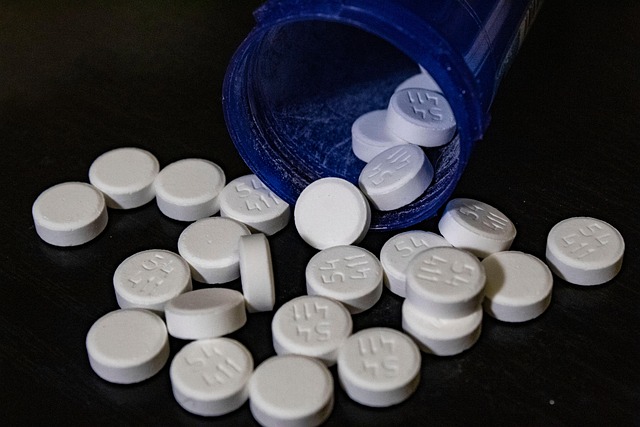
Addiction among healthcare professionals is a complex issue that demands specialized attention due to the unique pressures and challenges faced in their line of work. Understanding addiction in this specific context involves recognizing how stress, trauma, and prolonged exposure to difficult situations can contribute to substance abuse or behavioral addictions. Medical professionals and nurses, despite their expertise in treating others, may struggle with personal health issues, often keeping these struggles hidden due to fear of judgment or concerns about the impact on their medical license protection.
This secrecy can exacerbate existing problems, leading to a need for comprehensive nurse addiction treatment or medical professional rehab programs tailored to address the specific needs and concerns of healthcare workers. Such programs should focus not only on detoxification but also on holistic recovery strategies, including psychological counseling, peer support groups, and education on managing stress and maintaining resilience. By providing accessible and supportive healthcare worker recovery solutions, organizations can foster a culture that prioritizes well-being, encourages open dialogue about addiction, and promotes the long-term success of medical license protection for those in need.
The Unique Challenges of Medical Professional Rehab

Medical professional rehab comes with unique challenges due to the high-stakes nature of the industry. Healthcare workers struggle with the delicate balance between seeking help for their addictions and preserving their medical licenses, which are vital to their careers and patient care responsibilities. The fear of exposure and potential repercussions can deter professionals from initiating treatment, exacerbating their struggles.
Additionally, the specialized knowledge and skills required in healthcare create specific barriers to recovery. Nurses and other medical workers may turn to substances as coping mechanisms for stressful or traumatic experiences on the job. Accessing compassionate, understanding, and tailored addiction treatment programs that accommodate these unique circumstances is crucial for their successful healing and return to practice, ensuring patient safety and high-quality care.
Confidential Treatment Options for Medical Workers

Medical professionals and healthcare workers face unique challenges that can lead to addiction due to prolonged exposure to stress, trauma, and sometimes even substances within their line of work. Luckily, numerous confidential treatment options are available specifically tailored for their needs. These programs recognize the sensitivity of their positions and prioritize discretion while providing effective recovery support. Medical professional rehab centers often offer specialized services that consider the ethical and legal implications of addiction within the medical field, ensuring a safe space for healing.
Confidentiality is paramount to fostering trust and encouraging medical workers to seek help without fear of judgment or repercussions on their medical license. Nurse addiction treatment programs, for instance, can provide tailored support while upholding professional standards. These discreet services aim to protect healthcare worker privacy, allowing them to focus on their recovery journey with dignity and the potential for a thriving return to their careers.
Supportive Care and Rehabilitation Strategies

For healthcare professionals and medical workers grappling with addiction, supportive care and rehabilitation strategies are essential components of their journey to recovery. These strategies are tailored to address the unique challenges faced by those in the medical field, recognizing that addiction can impact not just individuals but also patient care and medical license protection. Medical professional rehab programs often incorporate cognitive-behavioral therapy (CBT), group counseling, and peer support groups to foster a sense of community and understanding, crucial for healthcare worker recovery.
Rehabilitation for medical professionals goes beyond treating the addiction itself; it involves comprehensive strategies like stress management techniques, mindfulness training, and aftercare planning. These approaches help mitigate risk factors associated with addiction, such as high-stress work environments, and promote sustainable recovery. Additionally, focusing on medical license protection becomes a priority, ensuring that recovering healthcare workers can return to practice while maintaining their professional standing.
Long-Term Recovery and Career Reintegration

Many healthcare professionals and medical workers struggling with addiction find solace in long-term recovery programs specifically designed for their needs. These comprehensive programs recognize the unique challenges faced by medical professionals, offering specialized care that addresses both the physical and psychological aspects of addiction. Through tailored therapy sessions, peer support groups, and medical interventions, individuals can break free from addiction's grasp and embark on a path to sustainable recovery.
Upon successful completion of rehab, career reintegration becomes a critical phase in the healing process for nurse addiction treatment or healthcare worker recovery. Programs focused on medical professional rehab prioritize supporting individuals in transitioning back into their careers while maintaining their well-being. This includes providing resources for licensing boards and regulatory bodies, ensuring proper documentation, and offering ongoing counseling to safeguard against potential triggers. With the right support, medical license protection becomes a reality, enabling recovered professionals to resume their duties with enhanced resilience and self-awareness.
Addiction among healthcare professionals, though challenging, is a critical issue that demands specialized attention. Understanding the unique dynamics of addiction within this specific setting is essential in providing effective solutions for medical workers struggling with substance abuse. By recognizing the confidential nature of their work and the potential stigma associated with seeking help, tailored rehabilitation programs offer a much-needed safe space. These programs, focusing on medical professional rehab, not only address immediate treatment needs but also facilitate long-term recovery and successful career reintegration. Through supportive care and comprehensive strategies, healthcare workers can access the resources they need to overcome addiction, return to practice, and contribute positively to their fields once again.