
Medical professionals face unique challenges with addiction due to high-stress careers and stigma within the medical community, hindering access to tailored nurse addiction treatment programs. Specialized medical professional rehab centers offer confidential, comprehensive care, including therapy, counseling, support groups, and medication-assisted treatment (MAT), upholding privacy protections while maintaining licensure for a seamless return to practice. These programs address unique work-related stressors and underlying issues through peer support, individual therapy, stress management, and holistic recovery approaches, fostering community, encouraging long-term sobriety, and promoting career stability. Aftercare services ensure sustained wellness post-rehab.
"In the demanding world of healthcare, where long hours and high-pressure environments are common, addiction among medical professionals can go unnoticed or undiagnosed. This article delves into the critical issue of confidential addiction treatment tailored for healthcare workers, exploring the unique challenges they face in seeking rehab. We present a comprehensive guide on available options, from discreet facilities to specialized programs designed to support their recovery journey. By addressing this silent crisis, we aim to foster long-term wellness and resilience among our dedicated medical professionals."
- Understanding Addiction in Healthcare Workers
- Challenges Facing Medical Professionals in Rehab
- Confidential Treatment Options for Medical Professionals
- Supporting Recovery: Resources and Strategies
- Long-term Wellness for Healthcare Addicts
Understanding Addiction in Healthcare Workers
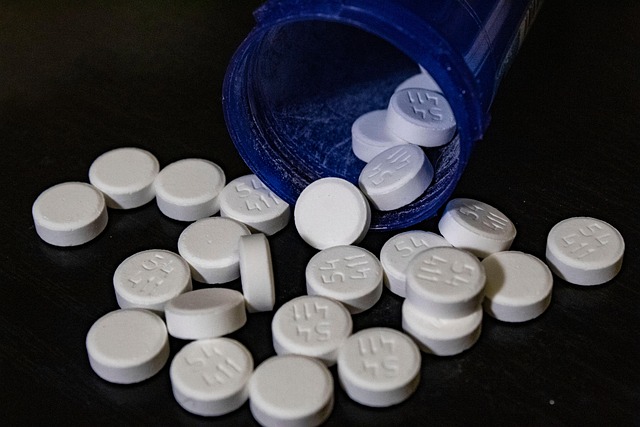
Addiction among healthcare professionals is a complex issue that demands understanding and specialized support. Medical workers face unique challenges that can contribute to substance abuse, including high-stress environments, long hours, emotional trauma, and exposure to addictive substances in their line of duty. Recognizing these factors is crucial for implementing effective strategies to address addiction within this demographic.
Many healthcare professionals may struggle with the stigma associated with seeking help for addiction, fearing it could impact their medical license protection or career prospects. Providing confidentially accessible nurse addiction treatment and healthcare worker recovery programs is essential in ensuring these individuals receive the care they need without compromising their professional standing. Tailored support can foster a culture of resilience and well-being among medical professionals, enabling them to lead healthier lives while continuing to contribute to patient care.
Challenges Facing Medical Professionals in Rehab

Medical professionals and healthcare workers face unique challenges when seeking rehabilitation for addiction. Balancing their professional responsibilities with the need for personal recovery can be a daunting task. Many are concerned about how an addiction struggle might impact their medical license protection, especially given the high-stakes nature of their work. This fear often discourages them from pursuing help, leading to prolonged struggles that can complicate treatment and recovery.
Additionally, the demanding schedules and intense emotional demands of healthcare work can make it difficult for these individuals to access effective nurse addiction treatment programs tailored to their needs. The stigma associated with addiction within the medical community further exacerbates these challenges, creating a culture where seeking help is often met with secrecy and shame. Overcoming these barriers is crucial for fostering a supportive environment that encourages healthcare workers to prioritize their well-being through appropriate healthcare worker recovery strategies.
Confidential Treatment Options for Medical Professionals

Medical professionals and healthcare workers face unique challenges when it comes to addiction due to their demanding careers and high-stress environments. Thankfully, there are confidential treatment options specifically tailored for them. These programs understand the sensitivity of their situations and prioritize discretion, ensuring that their privacy is protected throughout the recovery process.
Many medical professional rehab centers offer specialized care, recognizing the distinct needs of nurses, doctors, and other healthcare providers. They provide comprehensive treatments, including therapy, counseling, support groups, and medication-assisted treatment (MAT), all while maintaining strict confidentiality. This ensures that medical professionals can seek help without fear of stigma or repercussions for their medical license protection.
Supporting Recovery: Resources and Strategies

Supporting recovery for medical professionals facing addiction is a critical aspect of maintaining a healthy healthcare system. Many medical workers struggle in silence due to the stigma surrounding substance abuse, often resulting in untreated addiction and potential risks to patient safety. Therefore, accessible and confidential nurse addiction treatment programs are essential to break this cycle. These specialized rehab centers offer tailored support, recognizing the unique challenges faced by healthcare professionals.
Resources like peer support groups, counseling services, and medical professional rehab facilities ensure a comprehensive approach to recovery. Healthcare worker recovery plans should focus on maintaining licensure and career stability while addressing addiction. By providing discreet and supportive environments, these programs foster a sense of community, encouraging open dialogue and promoting long-term sobriety for those in the medical field. Additionally, protecting their medical licenses during this process is vital, ensuring that professionals can return to practice without legal barriers after successful rehabilitation.
Long-term Wellness for Healthcare Addicts

For healthcare professionals struggling with addiction, achieving long-term wellness is a multifaceted journey that requires specialized support. Medical professional rehab centers understand the unique challenges faced by these individuals, who often face intense work pressures and demanding schedules. Therefore, comprehensive programs are designed to address both the addiction and any underlying issues specific to their profession. This may include peer support groups, individual therapy, and workshops focused on stress management and burnout prevention, ensuring a holistic approach to recovery.
Maintaining long-term wellness post-rehab is crucial for medical workers to protect their licenses and careers. Nurse addiction treatment programs emphasize the importance of ongoing care, offering aftercare services such as counseling, support groups, and lifestyle coaching to help individuals stay sober and adapt healthy coping mechanisms. By prioritizing self-care and accessing these resources, healthcare professionals can foster sustainable recovery, ensuring they remain capable and dedicated contributors in their field.
Addiction among healthcare professionals, while challenging to discuss, is a growing concern that requires specialized attention. By recognizing the unique barriers faced by medical workers in seeking rehab, we can provide more effective and confidential treatment options tailored to their needs. Through accessible resources and supportive strategies, fostering long-term wellness for those in the healing profession becomes achievable, allowing them to return to their roles with renewed focus and resilience. This specialized approach to medical professional rehab is crucial in addressing this sensitive issue head-on.