
Addiction among healthcare professionals poses unique challenges due to high-pressure careers and fear of stigma. Specialized medical professional rehab centers offer confidential, tailored programs addressing industry-specific issues, promoting healing, ethical practices, and improved patient care without compromising careers or licenses. These programs utilize advanced therapy, peer support, medical supervision, and discretion to foster a supportive recovery environment.
"In the demanding landscape of healthcare, where long hours and high-pressure environments can take a toll, addressing addiction among medical professionals is more critical than ever. This comprehensive guide explores confidential addiction treatment options specifically tailored for healthcare workers, delving into the unique challenges they face. From understanding addiction from a medical perspective to rehabilitation programs designed for their needs, this article provides valuable insights and resources for those seeking help without compromising patient care or privacy."
- Understanding Addiction: A Medical Perspective
- The Unique Challenges of Healthcare Professionals
- Confidential Treatment Options for Medical Workers
- Rehabilitation Programs Tailored to Healthcare Needs
- Support and Resources for Long-Term Recovery
Understanding Addiction: A Medical Perspective
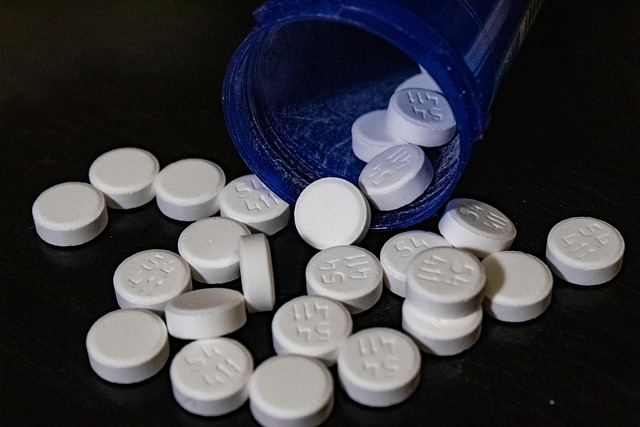
Addiction is a complex medical condition that requires specialized care, especially for healthcare professionals who may face unique challenges in seeking treatment. From a medical perspective, understanding addiction involves recognizing its physiological and psychological effects on the body. Substance use disorders impact not just the brain's reward system but also various organs, leading to both short-term and long-term health complications.
For medical professionals and nurses struggling with addiction, the journey to recovery is crucial for maintaining patient safety and preserving their medical licenses. Nurse addiction treatment centers offer specialized rehab programs tailored to address the specific needs of healthcare workers, ensuring confidentiality and a supportive environment. This approach not only facilitates healing but also promotes ethical practices in medicine by encouraging professionals to prioritize their well-being, thereby enhancing patient care and recovery outcomes.
The Unique Challenges of Healthcare Professionals

Healthcare professionals and medical workers face unique challenges when it comes to addressing their addictions due to the demanding nature of their careers. The high-pressure environment, long hours, and emotional toll can contribute to a range of substance use disorders. Many healthcare providers struggle in silence, fearing stigma or career repercussions if their addiction is discovered. This secrecy can delay access to much-needed medical professional rehab and lead to further complications.
Moreover, the potential impact on patient care and medical license protection is a significant concern. Healthcare worker recovery programs that understand these unique challenges are essential to ensuring professionals receive the support they need without compromising patient safety or their careers. Tailored interventions and confidential treatment options can foster an environment of trust, encouraging medical professionals to seek help and embark on their path to recovery.
Confidential Treatment Options for Medical Workers

For healthcare professionals and medical workers struggling with addiction, seeking help is a critical step toward recovery. Confidential treatment options are designed to provide a safe and supportive environment for these individuals to address their substance use disorders without fear of judgment or repercussions on their careers. Medical professional rehab centers offer specialized programs tailored to the unique challenges faced by healthcare workers, ensuring discretion throughout the entire process.
Protecting medical license integrity is a significant concern for those in recovery. Nurse addiction treatment programs and other healthcare worker recovery initiatives prioritize confidentiality, allowing individuals to access the support they need without compromising their professional standing. Through these discreet services, medical professionals can focus on their healing journey, reclaiming control over their lives while maintaining the trust placed in them by patients and colleagues.
Rehabilitation Programs Tailored to Healthcare Needs

Rehabilitation programs specifically tailored to meet the unique needs of medical professionals and healthcare workers are becoming increasingly recognized as essential components of addiction treatment. These specialized programs understand the demanding nature of their professions, which often includes long hours, high-stress environments, and emotional toll. As a result, they offer tailored support that accounts for these specific challenges. Medical professional rehab focuses not only on addressing the addiction but also on promoting holistic well-being, ensuring healthcare workers can return to their duties with improved resilience and mental health.
Such programs often incorporate advanced therapeutic techniques, peer support groups, and medical supervision to facilitate safe and effective recovery. Additionally, they prioritize confidentiality, which is paramount for healthcare professionals concerned about their medical license protection. By providing a supportive environment free from judgment, these rehab centers enable nurses and other medical workers to access the help they need without fear of repercussions, fostering a culture of open discussion and eventual healing.
Support and Resources for Long-Term Recovery

For healthcare professionals seeking long-term recovery from addiction, access to comprehensive support and resources is paramount. Many medical license protection programs recognize this critical need and offer specialized services tailored for their members. These programs often include peer support groups, counseling, and medical professional rehab options designed to address the unique challenges faced by those in the healthcare industry.
Nurse addiction treatment centers and similar facilities play a vital role in facilitating healthcare worker recovery. These institutions provide a safe and supportive environment, offering personalized care plans that take into account the individual's specific needs and career-related considerations. By leveraging these resources, medical professionals can embark on a path to sustained sobriety, ultimately preserving their licenses and continuing to contribute positively within their fields.
For healthcare professionals facing addiction, seeking confidential treatment is a crucial step towards recovery. By understanding addiction from a medical perspective, recognizing the unique challenges faced by medical workers, and utilizing tailored rehabilitation programs, those in the healthcare field can access specialized support for their specific needs. Long-term recovery is achievable with access to resources designed for medical professional rehab, fostering a healthier and more sustainable future for these dedicated individuals.