
Addiction among healthcare professionals is rising, impacting patient safety and requiring specialized doctor addiction treatment programs. These programs offer confidential, tailored support while protecting medical licenses. With high-stress careers, these initiatives promote recovery, stress management, and open dialogue about mental health, enhancing patient care. Success stories inspire peers to seek help, fostering resilience within the healthcare community.
In the demanding landscape of healthcare, the well-being of medical professionals is paramount. However, the silent struggle with addiction among doctors and medical workers often goes unnoticed. This article delves into the hidden crisis of doctor addiction treatment, exploring its prevalence, unique challenges, and available confidential options. From understanding specific barriers to recovery to integrating support systems and sharing success stories, discover how specialized programs are revolutionizing care for healthcare heroes struggling with addiction.
- Understanding the Prevalence of Doctor Addiction
- The Unique Challenges of Healthcare Professional Recovery
- Confidential Treatment Options for Medical Workers
- Integrating Support Systems in Doctor Addiction Treatment
- Success Stories: Overcoming Doctor Addiction
Understanding the Prevalence of Doctor Addiction
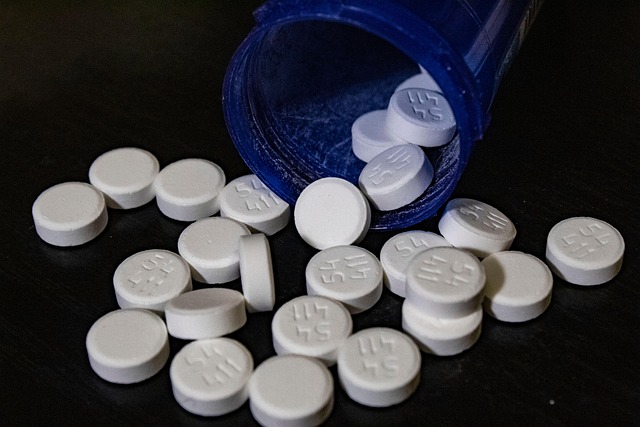
Addiction among healthcare professionals, including doctors and nurses, is a growing concern that often remains hidden behind the white coat. Despite their crucial role in saving lives, these individuals are not immune to substance abuse and addiction, as evidenced by rising statistics. Studies suggest that the prevalence of doctor addiction treatment requests has been steadily increasing over the past decade, highlighting a critical need for specialized support within the medical community.
This issue is further complicated by the fact that addiction can impact not only individual doctors' lives but also patient safety and the integrity of the healthcare system. Nurse addiction treatment programs have gained recognition as vital tools to address this challenge. By providing confidential and tailored interventions, these programs aim to facilitate recovery while ensuring medical license protection for those in need.
The Unique Challenges of Healthcare Professional Recovery

Healthcare professionals and medical workers face unique challenges when it comes to addiction treatment due to the high-stress nature of their jobs and the strict standards they're held to. Balancing the demand for excellence with personal struggles can create a complex web of issues, impacting both their professional and personal lives. The fear of judgment or repercussions within their industry can often prevent these individuals from seeking help, even when it's desperately needed.
Add to this the significant responsibility they carry in caring for others, and the potential for guilt or self-blame when dealing with their own addiction becomes acute. Protecting their medical license and ensuring a smooth path to recovery is crucial, making specialized doctor addiction treatment and nurse addiction treatment programs tailored to address these specific challenges all the more vital. These programs not only offer discreet support but also prioritize the preservation of professional standing while fostering effective healthcare worker recovery.
Confidential Treatment Options for Medical Workers

For healthcare professionals and medical workers grappling with addiction, seeking help is both essential and confidential. There are specialized programs designed to cater to their unique needs while prioritizing discretion. These treatments ensure that doctors and nurses can access the support they need without fear of judgment or repercussions on their careers. Confidential doctor addiction treatment often includes individual therapy sessions, group support meetings, and aftercare programs tailored to maintain long-term recovery.
Medical license protection is an integral aspect of these programs, as it safeguards against potential legal consequences related to their addiction. Healthcare worker recovery becomes more accessible with options like outpatient care, intensive rehabilitation centers, and peer-support networks specifically structured for medical professionals. These treatments not only address the addiction but also provide strategies for managing stress, burnout, and other issues that can contribute to substance abuse in high-pressure careers.
Integrating Support Systems in Doctor Addiction Treatment

In the realm of doctor addiction treatment, integrating robust support systems is paramount for successful recovery and long-term sobriety. Healthcare professionals and medical workers face unique challenges due to their high-stress environments and demanding schedules, making it crucial to have accessible and tailored support. Peer support groups, where doctors can connect with peers who understand their struggles, offer a safe space to share experiences and gain insights into managing addiction. Additionally, professional counseling services specifically designed for healthcare providers ensure confidential and non-judgmental therapy sessions, addressing the complex issues that may arise in doctor addiction treatment.
Nurse addiction treatment and healthcare worker recovery programs play a vital role in protecting not just the well-being of individuals but also maintaining the integrity of the medical profession. By integrating these support systems, medical facilities can foster an environment that encourages open dialogue about mental health, reduces stigma, and promotes healthy coping mechanisms. Furthermore, ensuring medical license protection through robust rehabilitation and aftercare programs demonstrates a commitment to supporting professionals in their journey towards recovery, ultimately benefiting patient care and the overall healthcare landscape.
Success Stories: Overcoming Doctor Addiction

In the high-pressure world of healthcare, doctors and nurses often face unique challenges that can lead to stress, burnout, and, in some cases, addiction. However, there are countless success stories of medical professionals who have overcome their struggles with doctor addiction treatment. These individuals not only found the strength to seek help but also emerged as powerful advocates for their peers facing similar issues. Through specialized programs tailored for healthcare workers, they discovered pathways to recovery that preserve their medical licenses and ensure a safe return to their careers.
Many of these success stories highlight the importance of early intervention and peer support networks. Nurses addiction treatment centers have been instrumental in providing confidential environments where medical professionals can openly discuss their struggles without fear of judgment or repercussions. This supportive atmosphere, coupled with evidence-based therapies, has led to remarkable transformations. These recovered healthcare workers are now inspiring others within the industry to prioritize mental health and seek help for addiction, fostering a culture of resilience and wellness among medical professionals.
Addiction among healthcare professionals, while often hidden, is a pressing issue that requires tailored solutions. By recognizing the unique challenges faced by doctors and medical workers, we can foster a culture of support and understanding. Confidential treatment options and integrated support systems play a pivotal role in their recovery journey. Access to specialized programs designed for doctor addiction treatment not only empowers individuals to overcome their struggles but also ensures better patient care and a healthier healthcare ecosystem. Let these success stories inspire us to address this critical matter head-on, ensuring that those who dedicate their lives to helping others can receive the support they need to heal.