
Addiction among healthcare professionals, especially doctors, is a growing concern. Long hours, high stress, and trauma contribute to substance abuse. Early intervention and confidential doctor addiction treatment are vital for patient safety and medical standards. Specialized support, including nurse addiction treatment programs and medical license protection, aids recovery while preserving trust. Access to tailored care encourages professionals to seek help without stigma, fostering a healing environment. Post-treatment, strategies like exercise, mindfulness, and peer support maintain wellness, preventing relapse and ensuring effective care.
In today's demanding healthcare landscape, medical professionals and workers face unique challenges that can lead to addiction. "Understanding Doctor Addiction: A Growing Concern" explores this hidden epidemic ravaging the medical community. This article delves into the specific barriers to recovery for healthcare heroes, highlighting the need for confidential doctor addiction treatment. We examine various treatment options tailored for medical professionals and emphasize integrating support systems for lasting healing. Additionally, discover post-treatment wellness strategies to help reclaim balance.
- Understanding Doctor Addiction: A Growing Concern
- The Unique Challenges of Healthcare Workers' Recovery
- Confidential Treatment Options for Medical Professionals
- Integrating Support Systems for Sustainable Healing
- Rediscovering Balance: Post-Treatment Wellness Strategies
Understanding Doctor Addiction: A Growing Concern
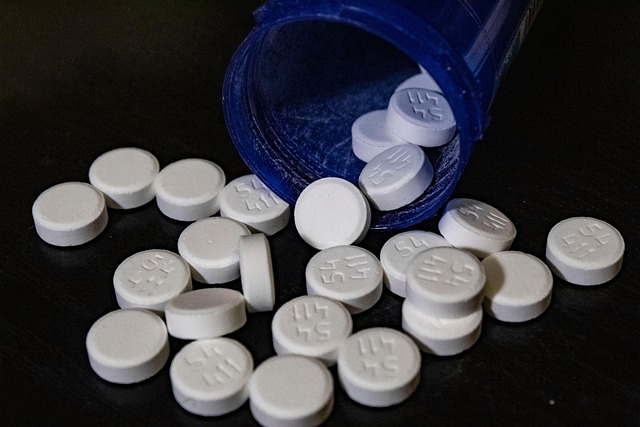
Addiction among healthcare professionals, particularly doctors, is a growing concern within the medical community. Despite their expertise and knowledge in treating others, these individuals are not immune to substance abuse issues. The demanding nature of the profession, long working hours, high-stress levels, and exposure to traumatic situations can contribute to the development of addictive behaviors. Recognizing and addressing doctor addiction is crucial for maintaining patient safety and preserving medical standards.
Early intervention and access to confidential doctor addiction treatment are essential steps in supporting these professionals. Medical license protection and nurse addiction treatment programs specifically tailored for healthcare workers can play a vital role in facilitating recovery and preventing potential harm to patients. By offering specialized support, these initiatives ensure that medical workers receive the help they need while maintaining patient trust and confidentiality.
The Unique Challenges of Healthcare Workers' Recovery

Healthcare professionals and medical workers face unique challenges when it comes to seeking addiction treatment. Balancing their demanding careers with personal struggles can be incredibly difficult, often leading to delayed or denied help. The fear of stigma within their peer groups and the potential impact on their medical licenses further complicates matters. Many doctors and nurses may feel pressured to "be strong" and handle their issues privately, which can hinder their ability to access the support they need.
Additionally, the high-stress environment of healthcare can trigger or exacerbate underlying addiction issues. Long hours, emotional toll, and exposure to traumatic events can contribute to a complex web of personal struggles that require specialized attention. Effective doctor addiction treatment must consider these unique circumstances, offering discreet and compassionate care tailored to address both the addiction and any related professional concerns, including nurse addiction treatment and healthcare worker recovery, while ensuring medical license protection.
Confidential Treatment Options for Medical Professionals

For healthcare professionals and medical workers struggling with addiction, seeking help is both essential and crucial for maintaining patient safety and ethical practice. Many options exist for confidential doctor addiction treatment, ensuring privacy and discretion. These specialized programs understand the unique challenges faced by those in the medical field, offering tailored support to address co-occurring mental health issues and complex personal circumstances.
Confidentiality is paramount, with many facilities employing strict security measures and utilizing encrypted data systems to protect sensitive information. This level of discretion encourages medical professionals to come forward without fear of stigma or repercussions, fostering an environment conducive to healing. Additionally, some programs offer specialized support for nurse addiction treatment, recognizing the distinct needs of different healthcare roles while prioritizing medical license protection and overall healthcare worker recovery.
Integrating Support Systems for Sustainable Healing

In the pursuit of sustainable healing for healthcare professionals grappling with addiction, integrating robust support systems is paramount. These systems extend beyond traditional doctor addiction treatment and nurse addiction treatment programs to encompass a network of resources tailored to address the unique challenges faced by medical workers. Accessing peer support groups, where colleagues without addiction can offer understanding and encouragement, fosters a sense of community and normalizes the struggle for recovery. Additionally, leveraging professional counseling services, both individually and in group settings, equips healthcare workers with coping mechanisms and resilience against triggers.
Beyond these immediate interventions, prioritizing medical license protection becomes essential. Ensuring confidentiality during the healing process allows professionals to seek treatment without fear of repercussions that could impact their career. This support is vital for fostering an environment where healthcare worker recovery is encouraged and protected, enabling them to return to their duties with renewed focus and integrity.
Rediscovering Balance: Post-Treatment Wellness Strategies

After completing a doctor addiction treatment program, the journey towards wellness continues. Rediscovering balance is an essential aspect of post-treatment success for healthcare professionals and medical workers, who face unique pressures in their line of work. Strategies such as regular exercise, mindfulness practices, and building a supportive network are crucial tools to maintain mental and physical health. Engaging in activities that promote self-care, like yoga or meditation, can help alleviate stress and prevent relapse.
Additionally, healthcare worker recovery should include proactive measures for medical license protection. This involves staying updated with industry standards, engaging in ongoing professional development, and seeking peer support. By adopting these strategies, nurses and doctors can foster a sustainable recovery, ensuring they remain capable and effective in providing patient care while safeguarding their professional reputation and license.
Addiction among healthcare professionals, while challenging to discuss, is a growing concern that requires specialized and confidential support. By recognizing the unique barriers to recovery faced by medical workers, we can provide more effective solutions through tailored treatment options. Integrating robust support systems post-treatment empowers doctors and medical staff to achieve sustainable healing and rediscover balance in their lives. Accessing confidential doctor addiction treatment is a vital step towards addressing this issue, fostering healthier work environments, and improving patient care.