
Medical professional rehab centers offer specialized care tailored to the unique challenges faced by healthcare workers struggling with addiction. These programs address physical and psychological aspects while ensuring confidentiality, protecting medical licenses, and providing a safe space for healing. Through evidence-based practices, peer support, stress management techniques, and comprehensive aftercare planning, these rehabs enable long-term recovery and facilitate professionals' return to their careers with renewed commitment. Specialized aftercare services, including personalized follow-up and tailored support networks, are crucial for maintaining sobriety in high-pressure medical environments.
"In the high-pressure world of healthcare, medical professionals and workers often face unique challenges related to addiction. This article explores comprehensive solutions for their journey towards recovery through confidential addiction treatment. We delve into the specific needs of this demographic, emphasizing the critical role of confidentiality in fostering trust and effective rehabilitation.
Specialized rehab programs tailored for medical personnel offer a unique approach, addressing industry-specific demands. By integrating supportive services, these programs facilitate holistic healing, ensuring long-term success rates for medical professional rehab."
- Understanding the Unique Challenges Faced by Medical Professionals in Battle with Addiction
- The Importance of Confidentiality in Healthcare: A Cornerstone for Effective Rehabilitation
- Specialized Rehab Programs Tailored for the Demands of Medical Workers
- Integrating Supportive Services to Facilitate Holistic Healing for Medical Professionals
- Long-Term Success Rates and Continuing Care for Medical Professional Rehab
Understanding the Unique Challenges Faced by Medical Professionals in Battle with Addiction
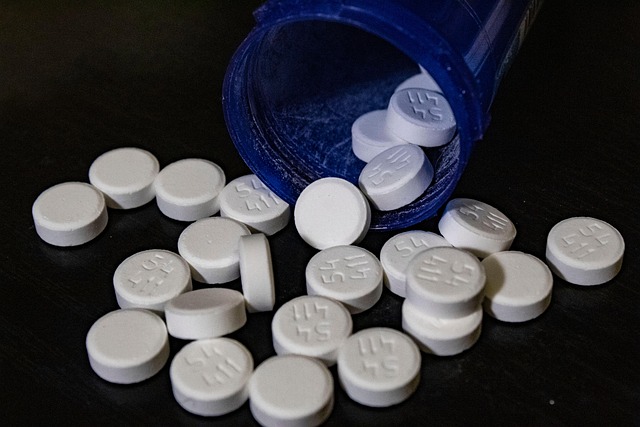
Medical professionals and healthcare workers, despite their ability to help others, face unique challenges when it comes to addiction. The high-stress nature of their work, coupled with exposure to trauma and powerful medications, can create a complex web that contributes to substance abuse. Many medical professionals may hesitate to seek help due to fear of judgment, loss of medical license protection, or concerns about how their colleagues and patients will perceive them—a barrier often seen in nurse addiction treatment.
These healthcare workers require specialized care tailored to their unique circumstances, addressing both the physical and psychological aspects of addiction. Confidential addiction treatment centers that understand the specific needs of medical professionals can provide a safe space for recovery. By offering discreet services, these facilities ensure medical license protection while fostering an environment conducive to healing. Ultimately, supporting healthcare worker recovery is not just about personal transformation but also ensuring better patient care in the long run.
The Importance of Confidentiality in Healthcare: A Cornerstone for Effective Rehabilitation

In the sensitive field of healthcare, where trust is paramount, maintaining confidentiality is a cornerstone for effective addiction treatment among medical professionals and workers. Healthcare providers often face unique challenges when it comes to seeking help for their own struggles with addiction due to concerns over privacy and potential repercussions on their careers and medical licenses. For many, the fear of stigma or judgment can deter them from accessing crucial support. Therefore, providing confidential and specialized rehab programs tailored specifically for nurses, doctors, and other healthcare workers is essential.
Confidentiality ensures that medical professionals feel secure in their journey towards recovery without worrying about their information being exposed. This trust facilitates open communication, enabling workers to share their experiences and seek guidance without hesitation. As a result, they can access the specialized care they need, whether it's addressing prescription drug abuse, alcoholism, or other addiction concerns. By safeguarding their privacy, healthcare-focused rehab centers foster an environment that promotes healing, encourages accountability, and ultimately enhances patient care standards as recovered medical professionals reintegrate into their roles, ensuring ongoing mental well-being and professional integrity.
Specialized Rehab Programs Tailored for the Demands of Medical Workers

Medical professionals and healthcare workers face unique challenges that can contribute to stress, burnout, and addiction. Specialized rehab programs understand these demands and tailor their services accordingly, addressing not only the physical and mental health issues but also the specific needs of these dedicated individuals. These programs recognize that maintaining a medical license is paramount for healthcare workers, so they offer discreet and compassionate care while ensuring confidentiality.
With tailored approaches, medical professional rehab focuses on evidence-based treatments, peer support groups, and aftercare planning to facilitate successful recovery. The goal is not just to treat addiction but also to foster long-term wellness and resilience among nurses and other healthcare workers, enabling them to return to their professions with renewed vigor and a fresh perspective. This holistic approach ensures that medical license protection remains intact while prioritizing the healthcare worker's recovery and overall well-being.
Integrating Supportive Services to Facilitate Holistic Healing for Medical Professionals

In the realm of healthcare, where professionals dedicate their lives to saving others, it's crucial to acknowledge that they too can face challenges and develop addictions. Integrating supportive services within medical professional rehab programs is an innovative approach to facilitate holistic healing. These services go beyond traditional therapy, addressing the unique needs of healthcare workers and ensuring their well-being. By offering comprehensive care, medical license protection becomes a priority, as professionals can seek help without fear of repercussions.
Supportive services may include peer support groups, where nurses and doctors share their experiences in a safe environment, fostering a sense of community and understanding. Additionally, healthcare worker recovery programs can incorporate stress management techniques, mindfulness practices, and career counseling to help medical professionals navigate their careers while prioritizing self-care. These integrated approaches not only aid in addiction treatment but also encourage long-term recovery for those within the healthcare industry.
Long-Term Success Rates and Continuing Care for Medical Professional Rehab

The long-term success rates for medical professional rehab are a testament to its effectiveness in fostering healthcare worker recovery. Specialized programs designed for nurses and doctors struggling with addiction often include comprehensive aftercare plans, ensuring that ongoing support is available post-rehab. These continuing care services play a crucial role in maintaining sobriety and preventing relapse, which is particularly vital given the high-pressure environments these professionals operate in.
Many successful medical professional rehab centers offer personalized follow-up programs tailored to individual needs. This can include group therapy sessions, one-on-one counseling, and access to support networks specifically for healthcare workers. By providing ongoing care and addressing potential triggers or challenges unique to the medical field, these programs enhance the likelihood of long-term recovery and protect the valuable medical licenses of those in need.
Confidential addiction treatment tailored for healthcare professionals is a vital step towards addressing the unique challenges they face. By prioritizing confidentiality, specialized rehab programs, and integrating supportive services, we can facilitate holistic healing and significantly improve long-term success rates for medical professional rehab. This comprehensive approach ensures that those who dedicate their lives to caring for others have access to the same level of support and care when battling addiction.