
Healthcare professionals face unique challenges leading to elevated substance abuse rates due to long hours, stress, and trauma exposure. Stigma prevents many from seeking doctor addiction treatment or nurse addiction treatment for fear of career repercussions. Specialized programs offering safe spaces, confidentiality, flexible schedules, peer support, and license protection are crucial for recovery while balancing professional integrity. Evidence-based therapies like CBT and MI empower individuals to overcome addiction, and post-treatment support networks help maintain long-term recovery in demanding healthcare environments.
In the demanding landscape of healthcare, burnout and addiction among medical professionals are pressing concerns. This article delves into the critical issue of doctor addiction treatment, focusing on confidential programs tailored specifically for healthcare workers. We explore the unique challenges faced in addressing this sensitive topic while highlighting evidence-based therapies and supportive systems that foster recovery. Understanding the prevalence of healthcare professional addiction is the first step towards creating safe spaces where doctors can seek help without stigma.
- Understanding the Prevalence of Healthcare Professional Addiction
- The Unique Challenges of Treating Medical Workers in Confidential Settings
- Creating Safe Spaces for Doctors to Seek Help: Program Design
- Evidence-Based Therapies for Doctor Addiction Recovery
- Support Systems and Aftercare for Sustained Recovery
Understanding the Prevalence of Healthcare Professional Addiction
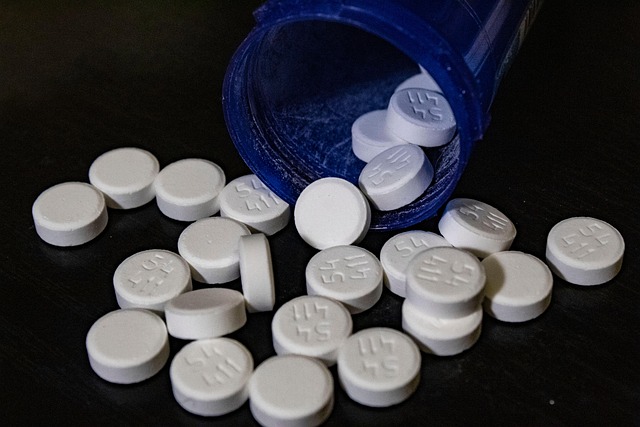
Addiction among healthcare professionals is a growing concern that often goes unnoticed behind the white coats and scrubs. With long working hours, high-stress environments, and exposure to traumatic events, medical workers—including doctors and nurses—face unique challenges that can contribute to substance abuse. Studies reveal alarming rates of addiction within this demographic, underscoring the need for specialized doctor addiction treatment programs.
The stigma surrounding addiction makes it even harder for healthcare professionals to seek help, fearing it may impact their medical license protection or career prospects. However, recognizing and addressing these issues is crucial for both individual recovery and maintaining the integrity of patient care. Nurse addiction treatment centers and programs tailored to meet the specific needs of medical workers are emerging, providing a safe space for much-needed support and healing.
The Unique Challenges of Treating Medical Workers in Confidential Settings
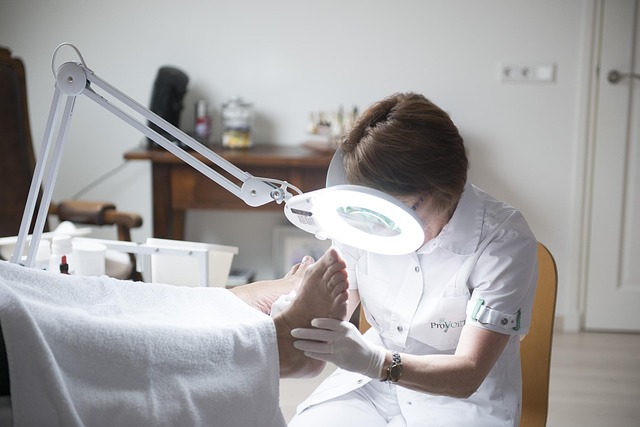
Medical workers, including doctors and nurses, face unique challenges when it comes to seeking help for their addictions due to several factors. Firstly, the highly regulated nature of the healthcare industry means that any issue with mental or physical health can significantly impact a professional's ability to practice. This creates a powerful incentive to maintain a facade of perfection, even when struggling with addiction. Consequently, many medical workers may delay or avoid seeking treatment for fear of repercussions on their career, including loss of medical license.
In confidential settings, healthcare worker recovery becomes even more complex. While discretion is essential to protect privacy and encourage support-seeking, it can also lead to a sense of isolation. Medical professionals might hesitate to share the extent of their struggle due to the stigma associated with addiction within the medical community. As such, specialized programs tailored to address these unique barriers are crucial in ensuring effective doctor addiction treatment and nurse addiction treatment, fostering an environment that promotes healing while safeguarding medical license protection.
Creating Safe Spaces for Doctors to Seek Help: Program Design

Many doctors and healthcare professionals face a unique challenge when it comes to seeking help for addiction due to concerns around confidentiality and potential repercussions on their medical license. To address this, specialized programs designed specifically for medical workers have emerged, offering safe spaces to access doctor addiction treatment with minimal risk of exposure.
These programs prioritize discretion and privacy, ensuring that participants' information remains strictly confidential. They are typically structured to accommodate the unique schedules and demands of healthcare professionals, offering flexible options like evening sessions or online counseling. Additionally, these programs emphasize peer support, fostering a sense of camaraderie among medical workers who understand the nuances of balancing professional responsibilities with personal struggles. By prioritizing medical license protection while facilitating nurse addiction treatment and healthcare worker recovery, these initiatives aim to create a supportive environment conducive to healing and long-term sobriety.
Evidence-Based Therapies for Doctor Addiction Recovery

In the quest for effective doctor addiction treatment, evidence-based therapies play a pivotal role in facilitating recovery among healthcare professionals and medical workers. These evidence-based approaches are designed to address the unique challenges faced by doctors and nurses, ensuring they receive tailored support for their substance use disorders. Cognitive Behavioral Therapy (CBT), for instance, helps individuals identify and change negative thought patterns and behaviors associated with addiction. This therapy is widely recognized for its effectiveness in promoting long-term recovery by teaching coping strategies and enhancing self-awareness.
Additionally, Motivational Interviewing (MI) is another powerful tool that encourages doctors and nurses to explore their ambivalence about changing their addictive behaviors. MI helps participants find their own motivation for recovery, fostering a sense of readiness and commitment to abstinence. These evidence-based methods are not only effective but also sensitive to the demanding nature of healthcare work, offering much-needed support for medical license protection and nurse addiction treatment while prioritizing holistic healthcare worker recovery.
Support Systems and Aftercare for Sustained Recovery
After completing a doctor addiction treatment program, establishing a robust support system is paramount for sustained recovery. Healthcare professionals and medical workers, in particular, face unique challenges due to their demanding work environments. Therefore, leveraging professional peer groups, where they can connect with fellow healthcare providers who understand their struggles, can be immensely beneficial. These peers can offer encouragement, share strategies for coping with stress, and provide a safe space to discuss any setbacks without fear of judgment. Additionally, many doctor addiction treatment centers offer ongoing aftercare services tailored to the specific needs of medical professionals, ensuring they have access to necessary resources as they navigate their recovery journey.
Nurse addiction treatment programs also emphasize building support networks and providing medical license protection measures. Healthcare worker recovery is not just about abstinence but reintegrating into work environments that foster a culture of mental health awareness and understanding. With the right support systems in place, nurses and other healthcare workers can maintain their recovery, prevent relapse, and continue to provide compassionate care to their patients.
Healthcare professionals, like everyone else, are susceptible to addiction. However, seeking help for substance abuse or behavioral addictions can be especially challenging due to concerns around confidentiality, stigma, and career implications. That's why specialized, confidential doctor addiction treatment programs designed specifically for medical workers are crucial. By addressing the unique challenges faced by healthcare providers, these programs combine evidence-based therapies with robust support systems to facilitate lasting recovery and restore balance to their personal and professional lives.